1007, Sector 23A, Gurugram, Haryana 122017
pinknbluegurgaon@gmail.com
July 14, 2026
Screens are now part of family life, so the goal is not to make them feel forbidden or frightening. For preschoolers, the healthier approach is to make screen time predictable, limited, and balanced with the experiences young children need most: movement, sleep, conversation, pretend play, and time with caring adults.
For children ages two to five, many pediatric recommendations encourage keeping entertainment screen time to about one hour a day and choosing high-quality, age-appropriate content. The exact routine can vary from family to family, but preschoolers do best when the rule is simple and consistent.
A helpful rhythm is to decide the screen window before the day gets busy. For example, a short video after lunch or a calm program in the early evening is easier for children to accept than screens that appear and disappear randomly.
Not all screen time is the same. Slow-paced stories, music, drawing, alphabet games, and guided learning programs are usually better choices than fast videos, endless scrolling, or autoplay clips. Whenever possible, watch together and ask small questions like, "What do you think will happen next?" or "Can you find that color in the room?"
Keep mealtimes, bedtime, and outdoor play screen-free. These daily anchors help children build language, social confidence, self-control, and healthy sleep habits. Turning screens off at least an hour before bedtime can also make the evening routine calmer.
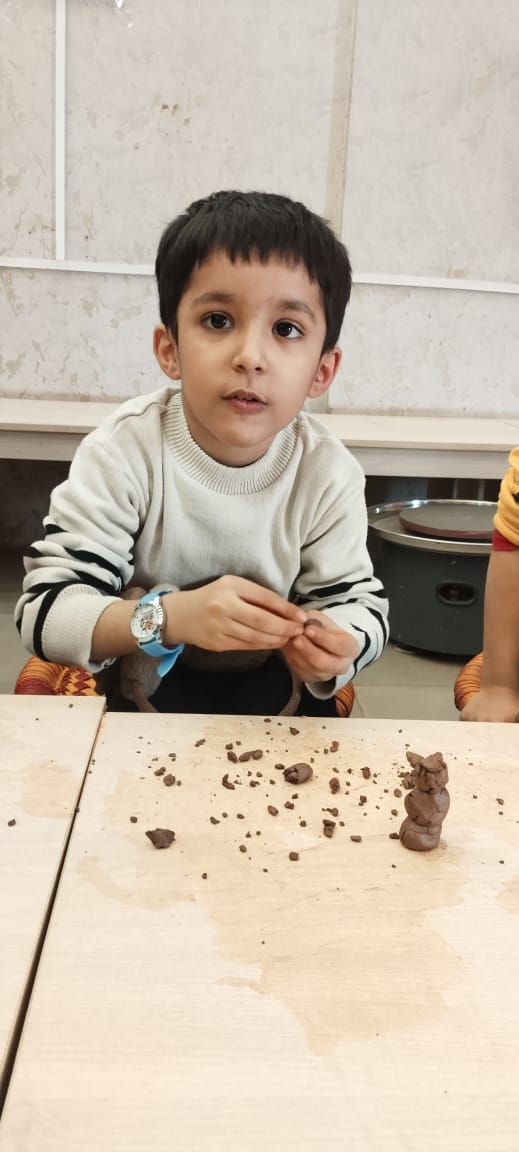
Transitions are often harder than the screen time itself. Before turning the device off, tell your child what comes next: blocks, coloring, a puzzle, music, a snack, or a walk. A visual timer or a two-minute warning can make the ending feel less sudden.
Preschoolers learn more from what adults do than from what adults say. Keeping phones aside during conversations, meals, and story time quietly teaches children that screens are useful tools, not the center of the day.
Try this rule for one week: screens only after active play, only in a shared family space, and only for a planned amount of time. This keeps screen time from replacing the moments that help preschoolers grow, explore, and connect.